§ 03 · Dosage
Doses CJC-1295 was studied at — not doses to take
A summary of the doses, routes, intervals, and durations actually used in the published research record. The page is descriptive, not prescriptive.
Research doses, not prescriptions
CJC-1295 is not approved for human use, so there is no FDA-labeled dose, no approved schedule, and no clinical guideline. This page describes the doses actually administered in the published research record: what subjects received, at what intervals, by what route, and what was measured as a result.
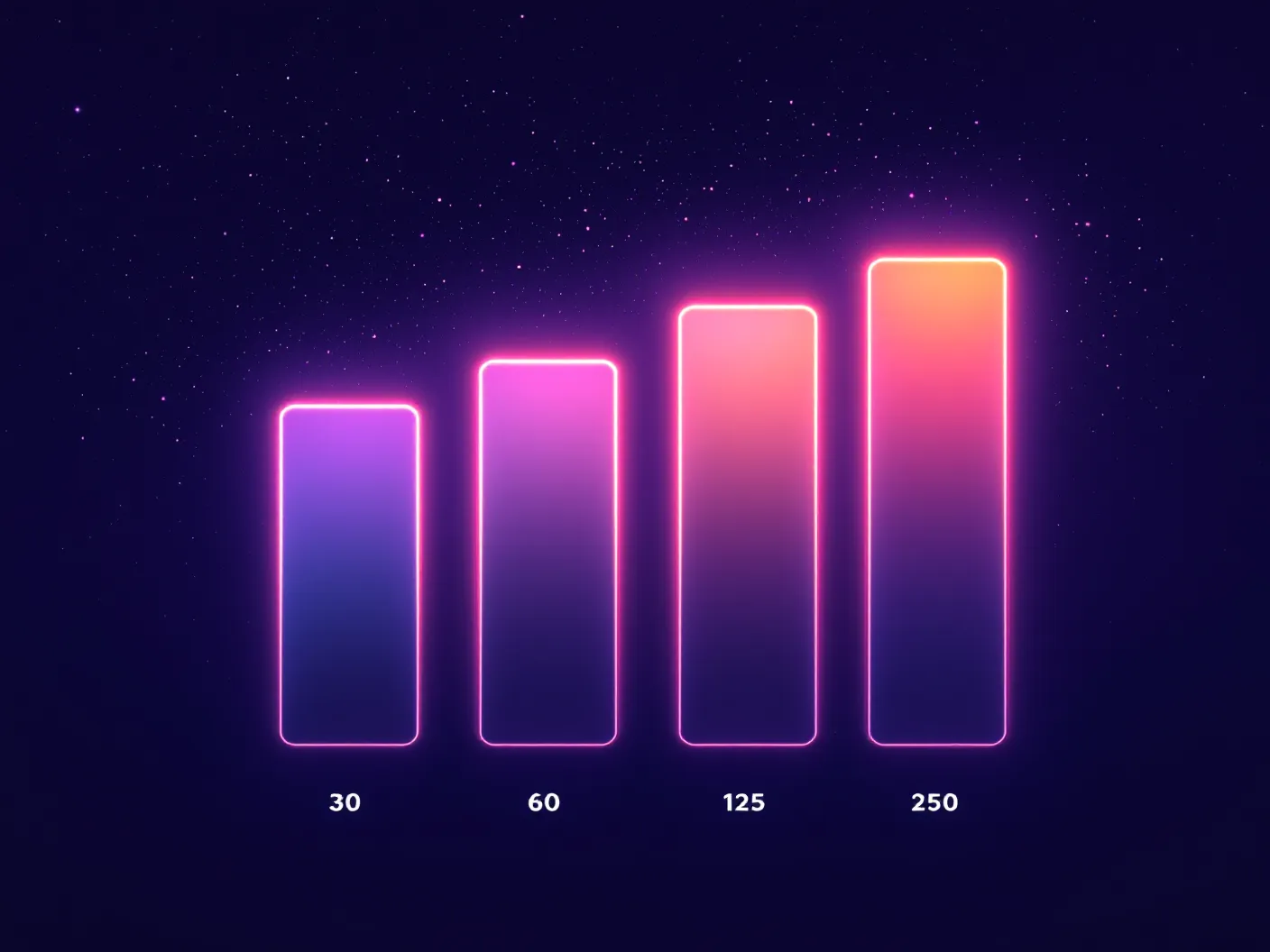
The most referenced dataset is the 2006 Phase 1 paper by Teichman and colleagues, which tested single doses of 30 to 250 micrograms per kilogram in healthy adults. Multiple-dose cohorts received weekly or biweekly injections over four to seven weeks. Mouse studies used 2 micrograms once daily.
The most important distinction on this page is between the long-acting DAC variant — with a plasma half-life of roughly six to eight days — and the short-acting no-DAC form, which clears in about thirty minutes. These are pharmacologically different compounds. Dosing logic, exposure duration, and risk profile differ enormously between them. The page does not recommend either. It describes what the literature used.
How to read this page
CJC-1295 is not approved by the FDA or any other major regulator for any human indication. Sponsor-led clinical development ended with the 2006 Phase 2 termination and has not been restarted. There is no FDA-labeled dose range, no USP/NF monograph, and no published Phase 3 or long-term safety study [9][15].
What follows is a description of the doses actually administered in the published research record — what subjects in studies received, at what intervals, by what route, and what was measured. It is not a recommendation. The peer-reviewed literature is the source; readers interested in any further interpretation should consult that literature directly, not this page.
Phase 1 human PK cohorts (Teichman 2006)
The clearest published human dosing dataset is the Teichman 2006 Phase 1 PK/PD paper in healthy adults aged 21 to 61 [2]. Single subcutaneous doses were administered at four levels: 30, 60, 125, and 250 μg/kg. Each dose cohort included at least eleven subjects, and pharmacokinetic and pharmacodynamic measurements were taken across the following ten to fourteen days.
Multi-dose cohorts received 60 to 125 μg/kg subcutaneously once weekly or once biweekly for between four and seven weeks (28 to 49 days total). The objective was to characterize whether IGF-1 elevation was sustained across repeated dosing and whether tachyphylaxis developed at the GHRH receptor — neither emerged as a problem in the short-term healthy-adult cohorts studied [2].
Adverse events across all dose cohorts were predominantly mild local injection-site reactions, headache, and transient flushing. No subject withdrew because of an adverse event in the Phase 1 cohorts. The FDA's 2024 PCAC review subsequently noted additional clinical adverse-event signals from the broader compound's exposure history including increased heart rate and systemic vasodilatory reactions, alongside nonclinical findings of reduced hemoglobin and elevated cholesterol [14].
Phase 2 program (NCT00267527)
The terminated ConjuChem Phase 2 trial dosed subjects weekly by subcutaneous injection [9]. The specific μg/kg schedule per cohort was not fully disclosed in the publicly available trial-registry record and was never published in the peer-reviewed literature because the trial was halted before primary efficacy endpoints could be reported. The trial enrolled 192 adults with HIV-associated visceral adiposity and was randomized double-blind placebo-controlled. The eleventh weekly dose was the last administered before the October 2006 termination event.
Preclinical rodent dosing
The mouse rescue study by Alba and colleagues administered 2 μg of CJC-1295 subcutaneously per injection, once daily, for five weeks in GHRH-knockout mice [4]. In a 25-gram mouse, this is approximately 80 μg/kg per injection — toward the lower end of the Phase 1 human cohort range. Dosing was also tested at 48-hour and 72-hour intervals; the daily protocol produced complete growth restoration to wild-type ranges, while the longer intervals produced partial restoration.
The earlier rat pharmacokinetic work by Jetté and colleagues used single subcutaneous bolus dosing at low-μg/kg levels with PK/PD characterization out to 72 hours; the rat data established the 4-fold GH AUC increase versus unconjugated peptide that justified moving CJC-1295 into human Phase 1 [1].

DAC versus non-DAC: a half-life chasm
The single most important pharmacological distinction in the CJC-1295 literature is between the DAC variant (with the maleimide-albumin coupling) and the non-DAC variant (the same four-substitution backbone without the albumin handle, sometimes labeled in research-chemical channels as 'modified GRF 1-29').
DAC variant: estimated mean plasma half-life of 5.8 to 8.1 days in healthy human adults, with the upper bound approaching the half-life of serum albumin itself (about nineteen to twenty-one days) [2]. Pharmacodynamic GH and IGF-1 effects routinely outlast measurable plasma peptide concentrations.
Non-DAC variant: plasma half-life approximately 30 minutes, versus about 7 minutes for native human GHRH — a meaningful but small improvement attributable entirely to the four DPP-4-protective substitutions [1].
Research-chemical product listings sometimes conflate the two by labeling the non-DAC variant 'CJC-1295 without DAC' as if it were a dosage form of the same drug. Pharmacologically, these are different compounds with half-lives differing by orders of magnitude. Inferences about dosing intervals, GH-pulse architecture, and IGF-1 elevation duration cannot be carried across the two.
Routes and stability
The dominant route of administration across the published animal and human literature is subcutaneous injection [1][2][3][4]. Intraperitoneal dosing appears in selected rodent mechanistic work; intravenous dosing is essentially limited to the early native-GHRH comparator pharmacology that pre-dated CJC-1295.
The DAC variant's in vivo bioactivity depends on a Michael-addition reaction between the C-terminal maleimide and the free thiol on albumin Cys34. This reaction proceeds spontaneously in vivo after subcutaneous injection — it is not a separate manufacturing step. Reconstituted peptide in research settings is typically stored refrigerated for short-term use and frozen for longer-term storage; freeze-thaw cycles and elevated temperatures degrade activity. Peptide aggregation during storage and reconstitution is a recognized FDA concern as an immunogenicity driver and a particular issue for compounded preparations lacking pharmaceutical-grade fill-finish controls [14].